The Complete Guide to Choosing the Perfect Backyard Fence
Choosing the right fence for your backyard is a significant decision that affects your property’s privacy, security, aesthetics, and value. With numerous materials and styles available, it’s essential to consider multiple factors before making your choice. This comprehensive guide will walk you through the key aspects of selecting the perfect fence for your needs.
1. Privacy Considerations
Privacy is often the primary reason homeowners install a backyard fence. The level of privacy you need depends on your property’s layout, proximity to neighbors, and personal preferences.
Best Options for Maximum Privacy:
✅Solid Wood Fencing (6-8 feet): Cedar, pine, or redwood panels provide complete visual blocking. Boards can be placed vertically or horizontally with no gaps.
✅Vinyl Privacy Panels: Available in various colors and textures, vinyl fences offer complete privacy without maintenance concerns.
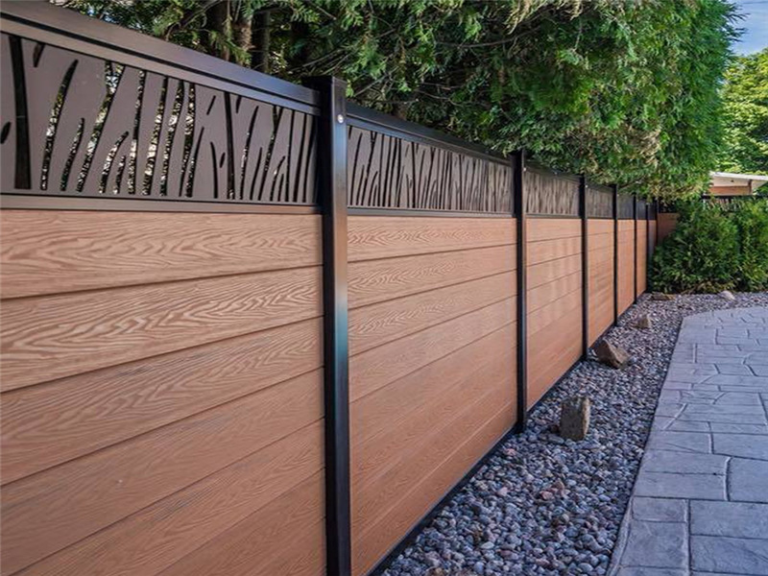
✅Composite Fencing: Made from wood fibers and plastic, these panels provide excellent privacy with minimal upkeep.
✅Masonry Walls: Brick, stone, or stucco walls offer the ultimate privacy and soundproofing, though at a higher cost.
Moderate Privacy Options:
If complete privacy isn’t essential, consider semi-private options like shadowbox fencing (alternating boards on each side), lattice-top panels, or horizontal slat designs with minimal spacing. These allow some airflow and light while still providing substantial privacy.
2. Eco-Friendliness and Sustainability
Environmental impact is an increasingly important factor in fencing decisions. Sustainable materials reduce your carbon footprint and often prove healthier for your family and local ecosystem.
Most Eco-Friendly Fence Materials:
🎋Bamboo Fencing
Bamboo is one of the most sustainable materials available. It grows incredibly fast (up to 3 feet per day for some species), requires no pesticides, and naturally regenerates after harvesting. Bamboo fencing is durable, attractive, and biodegradable.
♻️ Recycled Composite
Made from recycled plastics and wood fibers, composite fencing diverts waste from landfills. These fences last 25+ years, require no chemical treatments, and can be recycled again at end of life.
🌲FSC-Certified Wood
Look for Forest Stewardship Council (FSC) certification when buying wood. This ensures timber comes from responsibly managed forests. Cedar and redwood are naturally rot-resistant, requiring fewer chemical treatments.
♻️ Recycled Aluminum or Steel
Metal fencing made from recycled materials is extremely durable and 100% recyclable. Unlike vinyl, metal doesn’t release harmful chemicals and can be repurposed indefinitely.
3. Ease of Installation
Installation difficulty affects both cost (if hiring professionals) and feasibility of DIY projects. Consider your skill level, available time, and physical ability when choosing fence type.
Easiest to Install (DIY-Friendly):
Vinyl Panel Fencing
⏱️Difficulty: Easy
Pre-assembled panels simply slide into posts. Lightweight, No painting or staining required. Can be completed in a weekend.
Chain Link Fencing
⏱️ Difficulty: Easy-Moderate
Straightforward installation with basic tools. Posts set in concrete, fabric stretched between. Lightweight and forgiving for beginners.
Pre-Assembled Wood Panels
⏱️ Difficulty: Moderate
Panels come ready to install between posts. Heavier than vinyl, requiring 2+ people. Posts must be properly leveled and secured.
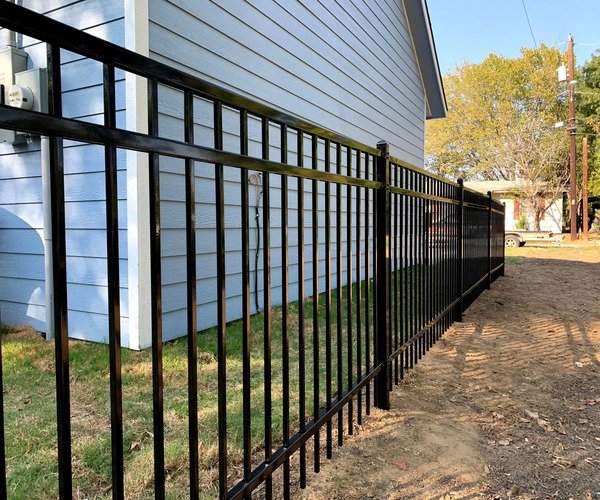
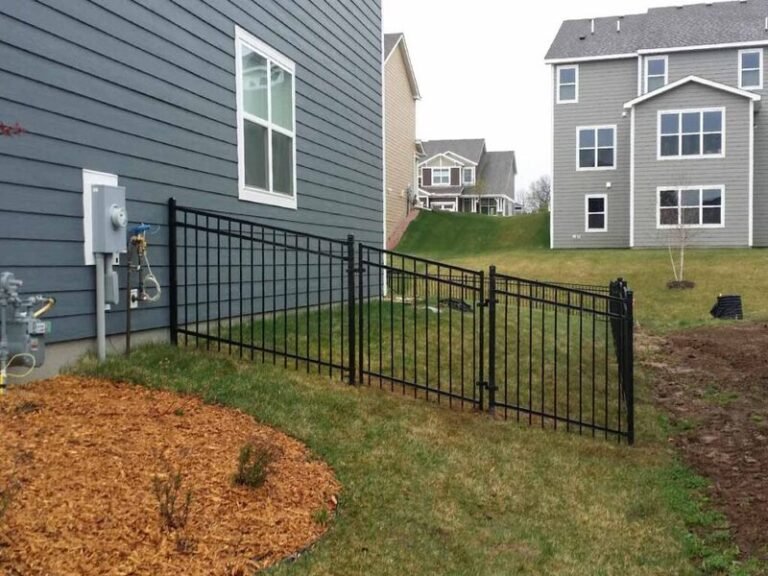
Aluminum Fencing
⏱️ Difficulty: Moderate
Lightweight sections are easy to handle. Panels bracket together simply. Requires precision for professional appearance.
Pro Tip: Regardless of fence type, proper post installation is critical. Posts should be set in concrete at least 2-3 feet deep (deeper in cold climates to prevent frost heave). This is where many DIY projects fail—consider hiring a professional just for post installation if needed.
4. Corrosion and Weather Resistance
Your fence will face rain, snow, UV rays, humidity, and temperature fluctuations. Choosing materials that withstand these elements ensures longevity and reduces maintenance costs.
Corrosion Resistance by Material:
Vinyl/PVC Fencing—Excellent
Immune to rust, rot, and insect damage. Won’t warp, crack, or fade with quality UV inhibitors. Can withstand extreme temperatures (-40°F to 140°F). Expected lifespan: 20-30 years with minimal maintenance.
Aluminum Fencing—Excellent
Naturally corrosion-resistant through oxidation. Powder-coated finishes provide additional protection. Ideal for coastal areas and humid climates. Won’t rust like iron or steel. Lifespan: 25-40 years.
Composite Fencing—Excellent
Resists moisture absorption, preventing rot and warping. Won’t splinter or crack. Maintains color and structural integrity in all weather conditions. Lifespan: 25-30 years.
Cedar or Redwood—Good
Natural oils provide rot and insect resistance. Requires periodic sealing/staining (every 2-3 years) to prevent weathering and graying. With maintenance, lasts 15-25 years.
Wrought Iron (with coating)—Good
Powder coating protects from rust. Requires inspection and touch-ups if coating chips. Avoid in coastal areas due to salt air. Regular maintenance needed. Lifespan: 15-30 years.
Climate Considerations: In coastal areas, choose aluminum or vinyl to resist salt corrosion. In very cold climates, avoid materials that become brittle in freezing temperatures. In areas with high UV exposure, ensure materials have UV stabilizers.
5. Cost Analysis
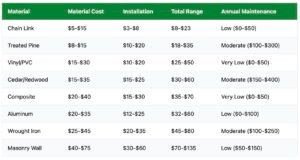
Fencing costs vary widely based on materials, height, length, and installation complexity. Consider both upfront costs and long-term maintenance expenses to determine true value.
Cost Breakdown by Material (per linear foot installed):
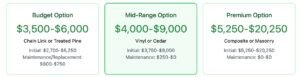
20-Year Total Cost of Ownership:
For a typical 150 linear foot fence (6 feet tall), here’s what you can expect to spend over 20 years, including installation and maintenance:
Ways to Reduce Costs:
DIY Installation: Save 40-60% on labor costs (if you have skills and time)
Choose Standard Heights: 4-6 foot fences are cheaper than custom heights
Buy Materials Off-Season: Late fall/winter often have better prices
Use Simpler Designs: Plain panels cost less than decorative options
Shop Multiple Suppliers: Prices vary significantly between vendors
Consider Partial Fencing: Fence only the areas where privacy is needed most
Quick Decision Matrix
Use this guide to quickly identify the best fence type for your priorities:
If your top priority is LOW COST →
Choose: Chain Link or Treated Pine
If your top priority is MAXIMUM PRIVACY →
Choose: Solid Vinyl, Composite, or Board-on-Board Wood
If your top priority is ECO-FRIENDLINESS →
Choose: Bamboo, FSC-Certified Wood, or Recycled Composite
If your top priority is EASY DIY INSTALLATION →
Choose: Vinyl Panel or Pre-Assembled Wood Panels
If your top priority is DURABILITY/LOW MAINTENANCE →
Choose: Vinyl, Aluminum, or Composite
If your top priority is CORROSION RESISTANCE →
Choose: Aluminum or Vinyl (especially for coastal areas)
If your top priority is NATURAL AESTHETICS →
Choose: Cedar, Redwood, or Bamboo
The perfect fence for your backyard depends on your unique combination of priorities, budget, and property characteristics. By carefully weighing privacy needs, environmental impact, installation complexity, durability, and cost, you can choose a fence that will serve you well for decades to come. Take your time with this decision—a quality fence is an investment that enhances your home’s value, functionality, and enjoyment.